
Author: mitchmitchy81
-

Developing Coaching Mastery: How Coaches Grow Their Craft in High‑Pressure Systems
Coach developers must act as developmental allies, creating environments that are psychologically safe yet cognitively demanding.
-
Loans Are Not a Pause Button: How Sport Psychologists Can Better Support Loan Players
Over the last few years, loans have moved from being a convenient logistical tool to a central feature of player development in football. Yet, despite how common they are, I still think loans remain one of the most psychologically misunderstood experiences in the professional game.
-
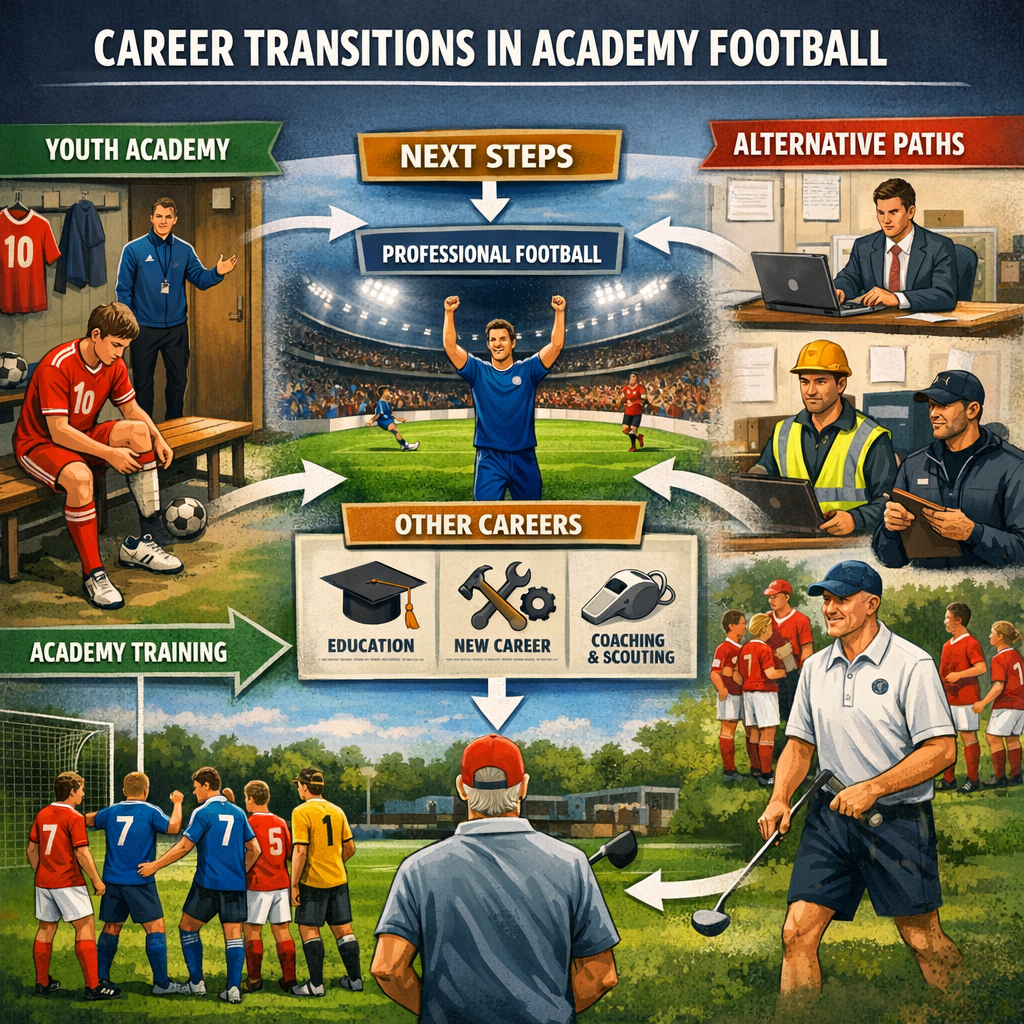
Why Working With a Sport Psychologist Helps You Navigate Academy Transitions
In academy football, transitions aren’t rare—they’re constant. Moving up age groups, new coaches, new expectations, injuries, competition for contracts, loan spells, deselection, release… the journey is full of moments that can change everything. Research shows that how you handle these transitions often matters more than the transitions themselves. And the players who cope best? They’re usually the ones who…
-
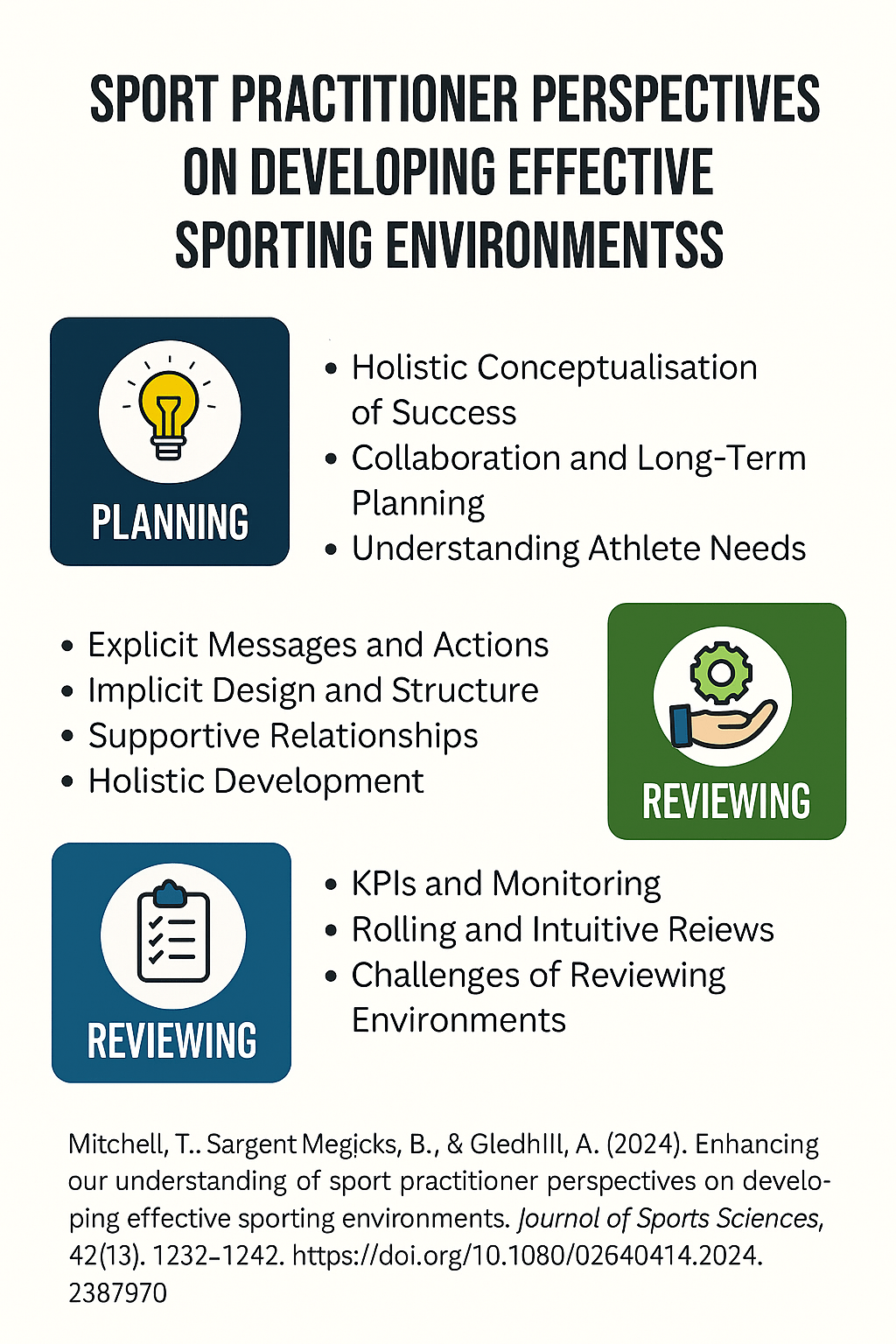
Designing Effective Sporting Environments: What I learned from speaking to practitioners.
high quality talent development environments (TDEs) offer long-term support, coherent messages, holistic preparation, and opportunities for athletes to develop as people as well as performers
-

Getting Released: A Footballer’s Guide to Protecting Your Mind, Rebuilding Your Identity, and Moving Forward
Being released can feel like the ground has vanished under your boots—routine gone, status gone, teammates scattered. Qualitative research with former academy scholars describes the release meeting as “traumatic,” with psychological difficulties often persisting when aftercare is limited. (McGlinchey et al., 2022). For many, the pain is bound up with athletic identity—when “footballer” becomes your entire…
-
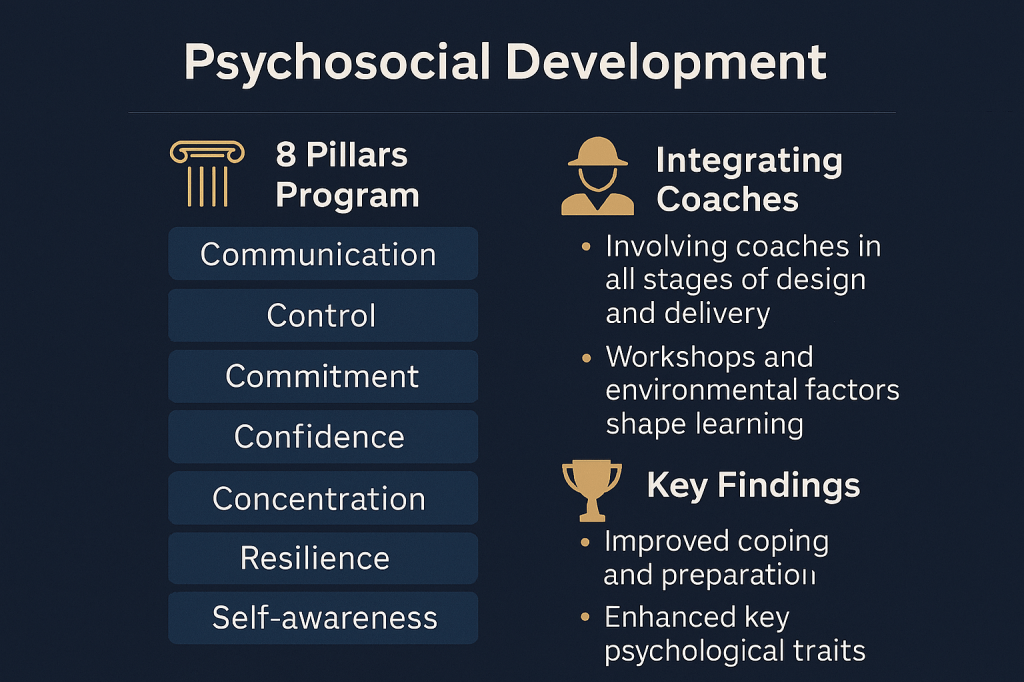
Psychosocial Development in Academy Football
Developing well‑rounded athletes requires more than physical training—modern coaching increasingly emphasises psychosocial skills such as communication, resilience, confidence, and the ability to cope with pressure.
-
How We Change: A Simple Guide to Behaviour‑Change Models for Building Lasting Exercise Habits
If you’ve ever tried to start exercising—and then stopped after a few weeks—you’re not alone. Nearly everyone wants to be more active, but turning good intentions into long‑term behaviour is one of the biggest challenges in health and fitness.
-
What Is Exercise Psychology?
Exercise psychology explores the psychological factors that influence physical activity participation and the psychological outcomes that result from being active. It examines motivation, emotional responses, behaviour change, and the mental benefits of exercise. Put simply, exercise psychology helps explain: How Exercise Improves Mental Health There is now overwhelming scientific evidence that exercise does far more than change the body—it has…
-

All good intentions, New Year goals turning into a slump?
How Psychology Can Transform Your Relationship With Exercise Many people believe that struggling with exercise means they lack discipline, motivation, or willpower. The biggest barriers to physical activity are often psychological rather than physical. If you’ve ever started an exercise routine with good intentions, only to lose momentum weeks later, or felt guilty, anxious, or frustrated around exercise, you’re far from alone. This is where…
-
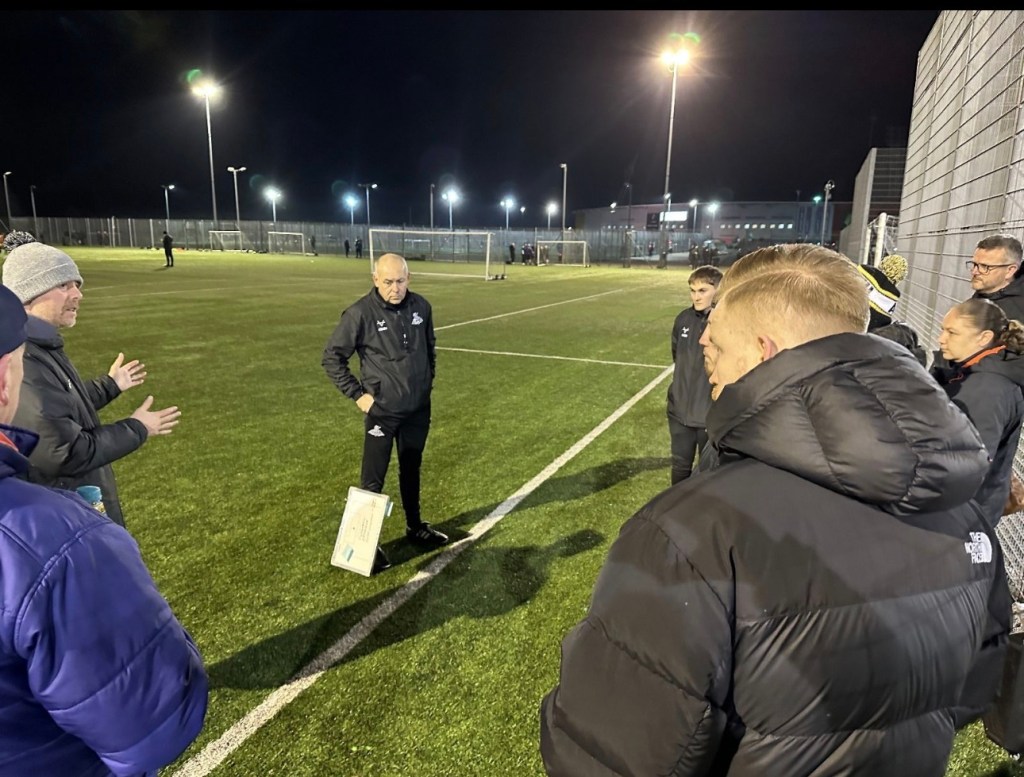
How can Sport Psychologists work with coaches?
In modern sport systems, coaches operate within complex, high-pressure environments that demand psychological, relational, and organisational skills alongside technical expertise. As a result, sport psychologists are increasingly working with coaches rather than solely delivering interventions to athletes. Research suggests that when psychologists form effective collaborative relationships with coaches, the impact can extend across the entire performance environment, influencing athlete wellbeing, engagement, and…

